

 VietNam
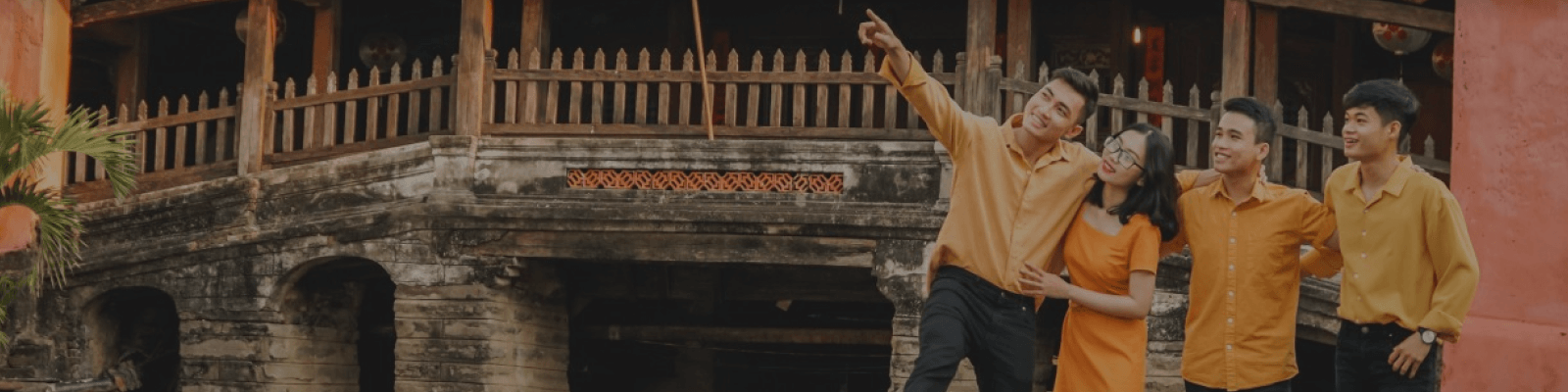
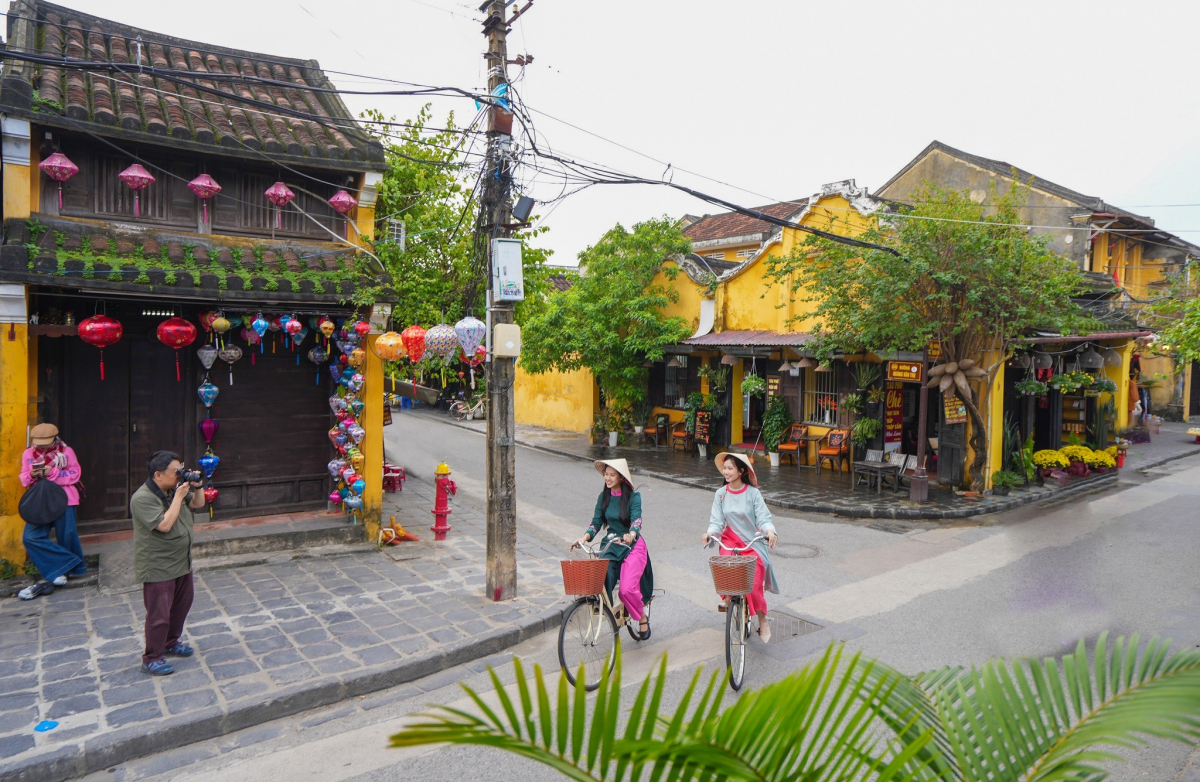
As global tourism increasingly shifts toward in-depth experiences, sustainability, and meaningful connections with local identity, Agoda has released its list of Asia’s leading “slow travel” destinations. Hội An’s top ranking not only reflects the unique appeal of a heritage city but also highlights the effectiveness of its development approach, where preservation goes hand in hand with creative and sustainable cultural promotion.
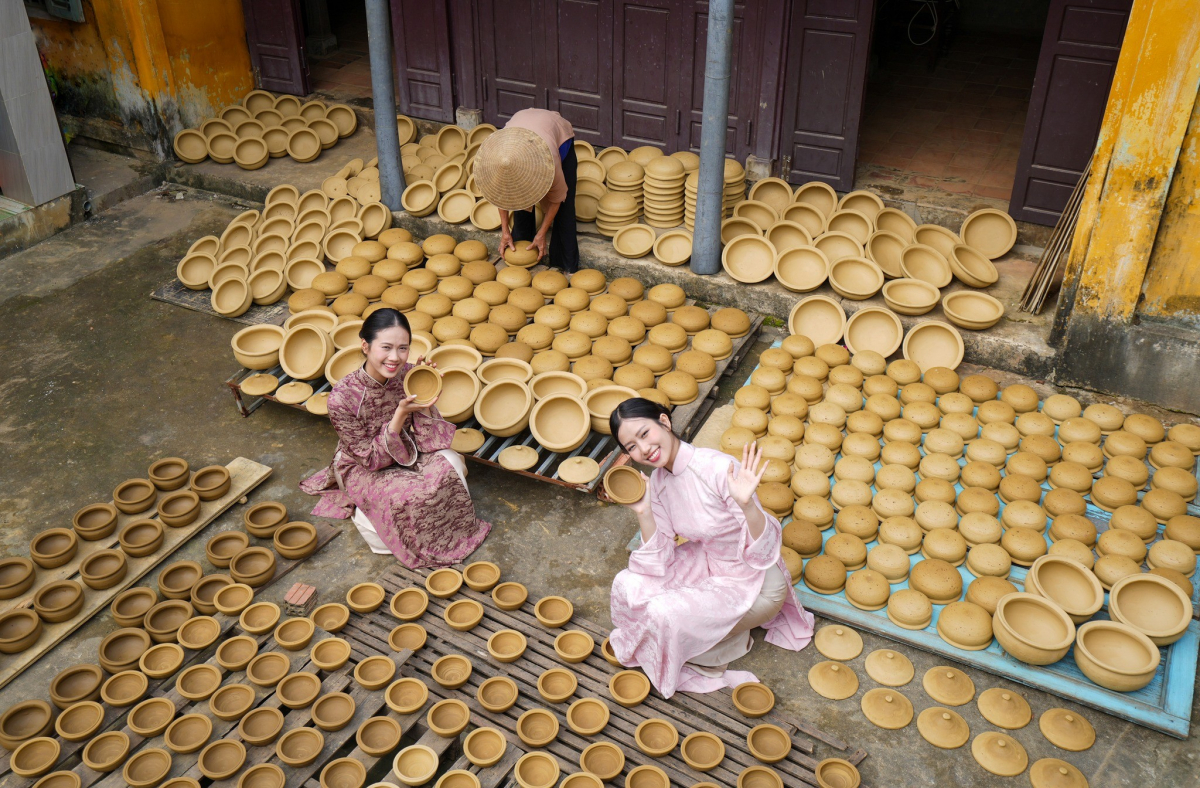
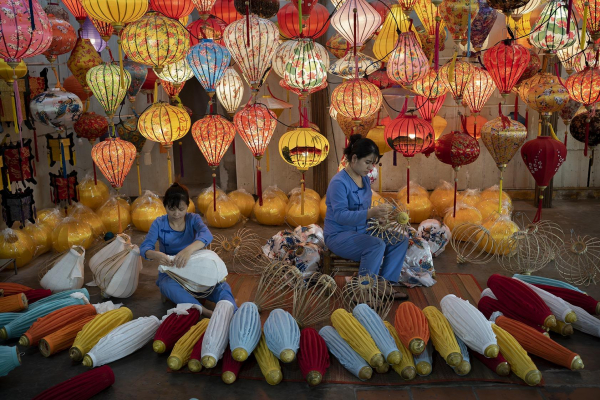
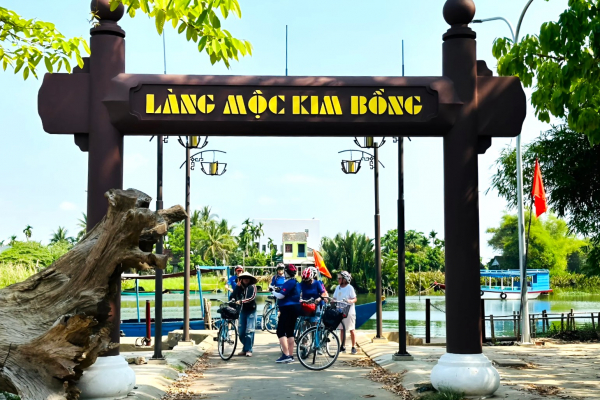
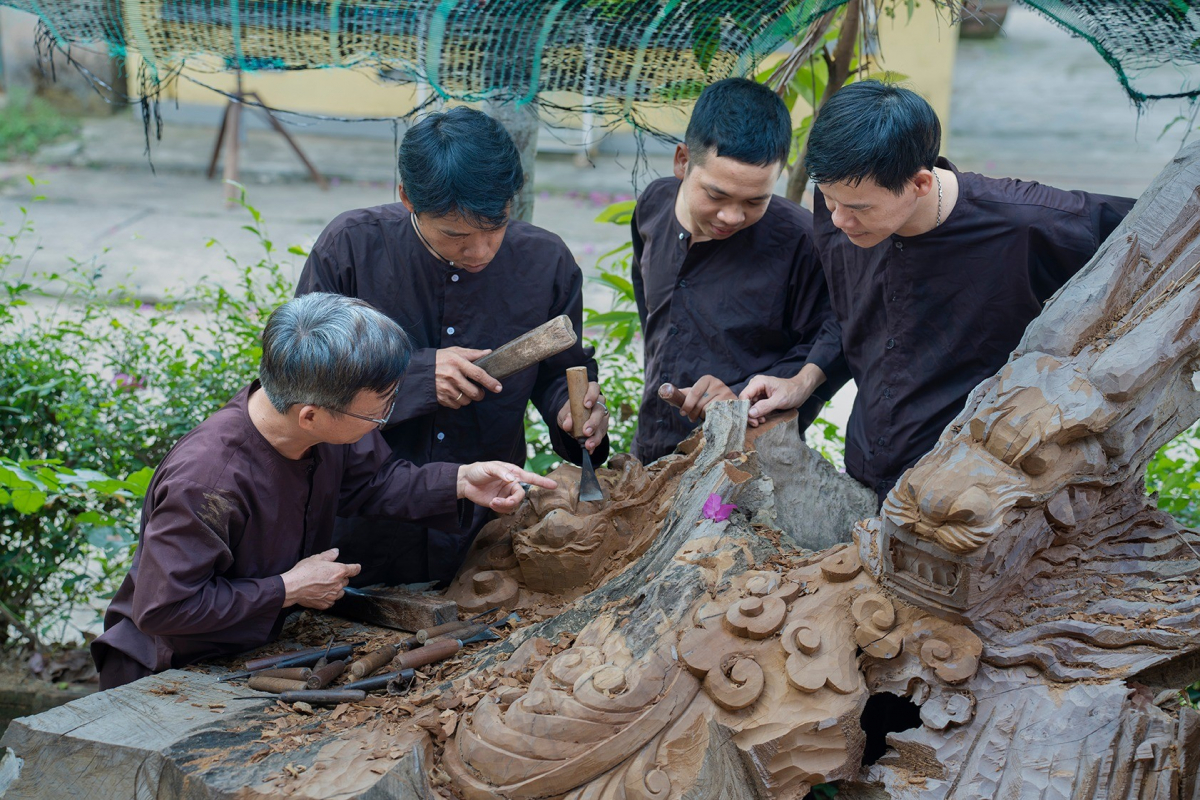
From a long-term perspective, heritage conservation in Hội An has evolved beyond mere preservation of original conditions. It has progressed through stages of value identification, restoration, conservation, and the active integration of heritage into contemporary life. This approach has laid the foundation for a “slow tourism” model, where visitors are encouraged not to rush through destinations, but to stay longer, engage more deeply, and interact directly with the local cultural environment. In this process, the Hội An Center for the Conservation of World Cultural Heritage plays a central role by continuously investing in and renewing experiential activities. Alongside a system of thematic museums and well-interpreted heritage sites, various forms of folk art and traditional crafts have been systematically revived and integrated into community life and performance spaces. Activities such as lantern making, Kim Bồng carpentry, and performances of Bài Chòi, folk singing, classical opera (hát bội), traditional instrumental music, and folk dance go beyond simple demonstrations. They offer visitors opportunities to participate, learn, and connect with deeper layers of culture and heritage.
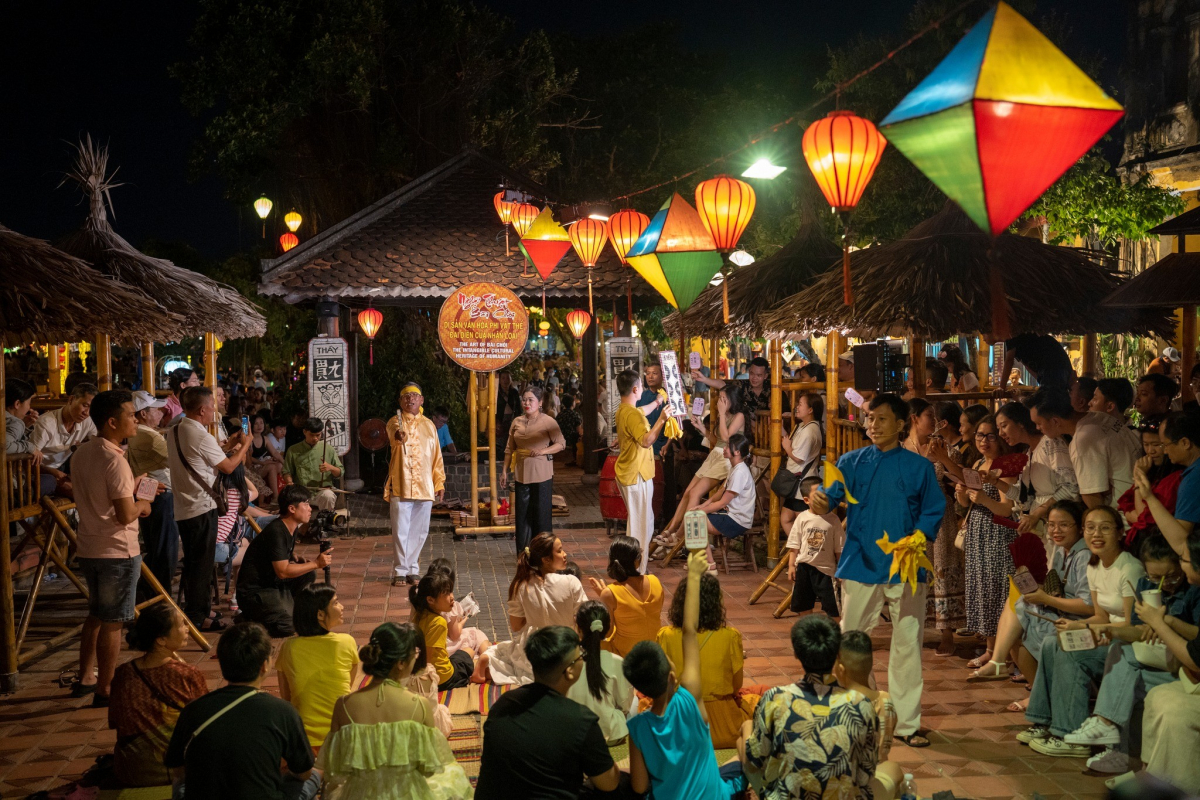
Notably, this process of revival and development is closely embedded in community life, following the principle of “living heritage.” This means restoring heritage to its original social functions while allowing it to adapt to contemporary contexts. This is also the essence of slow tourism in Hội An: heritage is not treated as a static resource but nurtured as a living entity capable of creativity and renewal. As a result, local cultural values are not only preserved but continuously enriched through interactions with visitors and new creative elements. In this context, tourism serves not only as an economic driver but also as a means of safeguarding heritage, extending its vitality and reinforcing local identity in an era of globalization.
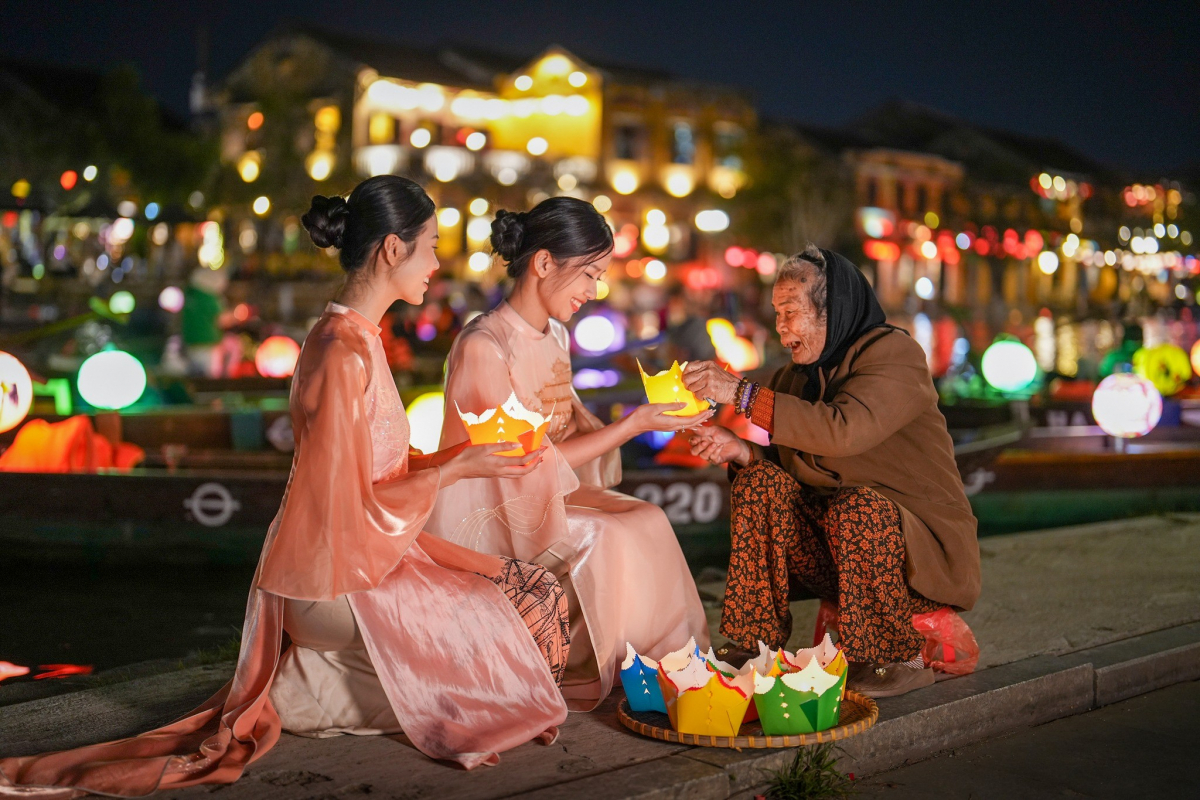
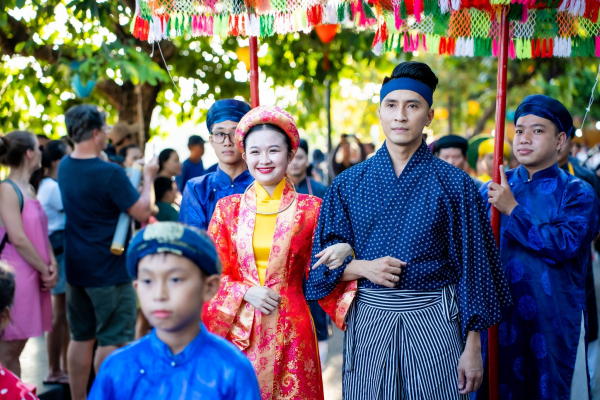
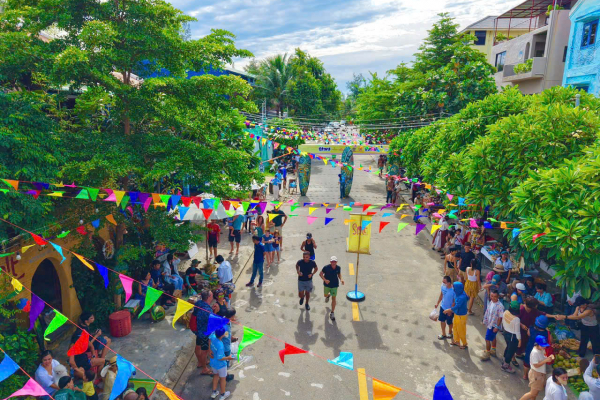
As a member of the UNESCO Creative Cities Network in the field of Crafts and Folk Art, Hội An has actively integrated creativity into its tourism development strategy. Craft demonstration spaces, experiential workshops, cultural exchange programs, and community-based creative activities have been expanded, creating meaningful connections between artisans, local communities, and international visitors. At the same time, signature cultural events such as “Hội An Legendary Night,” street performances, and international cultural exchanges have contributed to a multi-layered experiential space where heritage is not merely displayed but truly lived. Efforts to preserve the urban landscape, manage development, and maintain the rhythm of local community life remain key factors in sustaining Hội An’s identity amid modernization.
Today, Hội An is not simply a destination but a living cultural entity where past and present coexist, and where each experience opens new dimensions of creativity and identity. Its recognition as “Asia’s Leading Slow Travel Destination” is therefore not only an honor but also a testament to a balanced development path that harmonizes heritage preservation with creative growth toward sustainable tourism.