

 VietNam
Preserving Traces of the Maritime Ceramics Trade Route
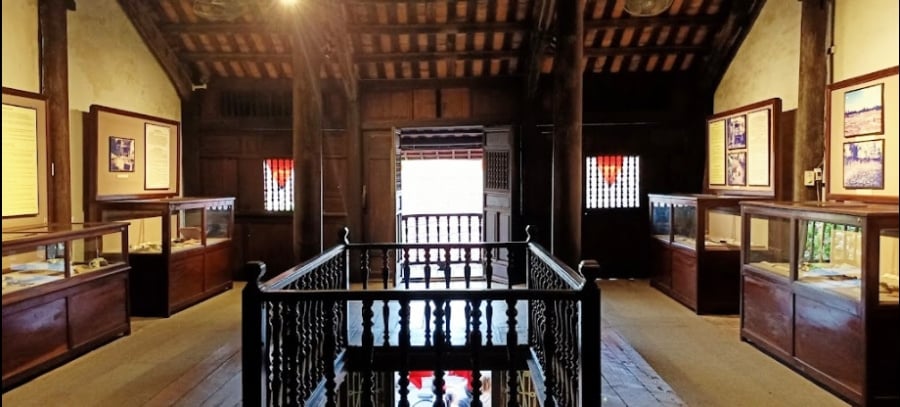
Established in 1995 with the support of Japanese experts, the Museum of Trade Ceramics is a specialized museum that currently displays 368 artifacts dating from the 9th and 10th centuries to the 19th century. These objects, discovered at various archaeological sites in Hội An, vividly illustrate the town’s historical role as a bustling international trading port, a meeting point for merchants from East and West, across Asia and Europe, along the maritime ceramics trade route.
Beyond their archaeological and artistic value, the ceramic artifacts tell enduring stories of labor, creativity, and cultural exchange among communities over many centuries.
A Creative Space Supporting Livelihoods for Vulnerable Groups
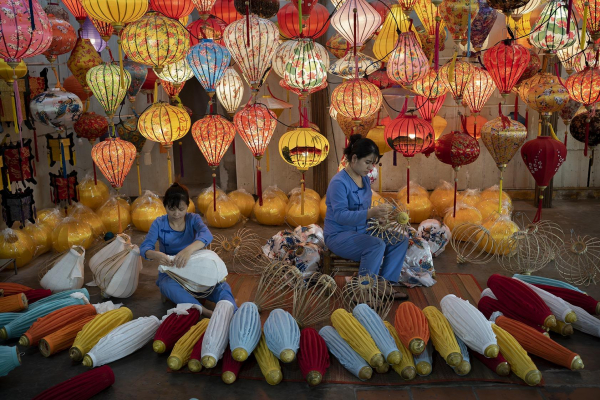
A distinctive feature reflecting the museum’s social innovation approach is its exhibition space for handmade souvenir products created by people with disabilities and other vulnerable groups within the community. These items, ranging from decorative objects to heritage-inspired souvenirs, not only demonstrate craftsmanship and creativity but also embody powerful stories of resilience and aspiration for social inclusion.
This initiative contributes to job creation, income generation, and increased self-confidence for people with disabilities, while offering visitors and locals meaningful opportunities to engage with and support humane, creative economic models. It stands as a compelling example of how cultural heritage can be meaningfully linked to sustainable livelihoods.
In Alignment with the Orientation of the UNESCO Creative Cities Network
By integrating heritage preservation with creative activities, the Museum of Trade Ceramics exemplifies a people-centered approach that encourages community participation, promotes equal opportunities for vulnerable groups, and leverages local cultural values in support of sustainable urban development, fully aligning with the core principles of the UNESCO Creative Cities Network.
More than a place for displaying artifacts, the museum is an open and living space where heritage continues to be revitalized, reimagined, and shared - a place where everyone, regardless of background or circumstance, can find value, connection, and opportunity.