

 VietNam
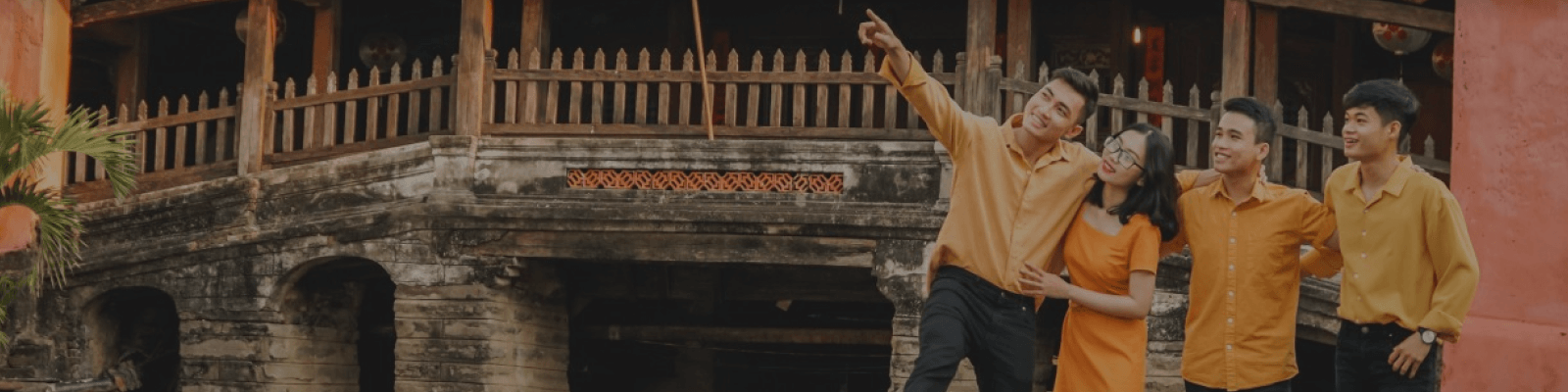
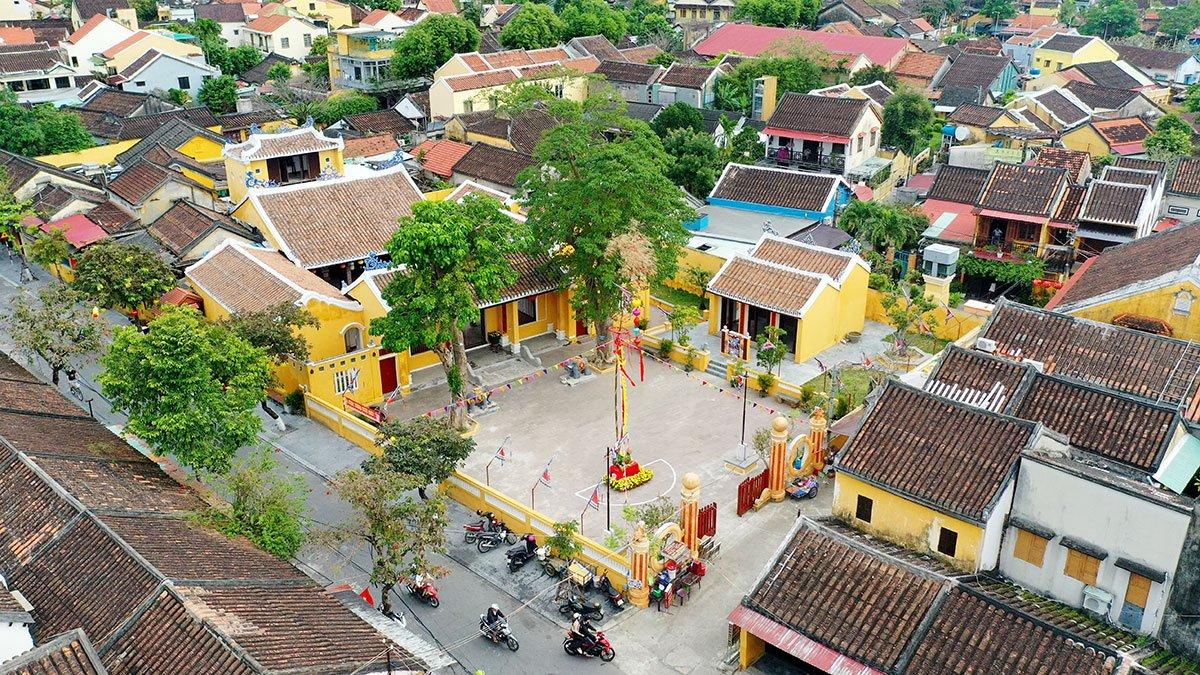
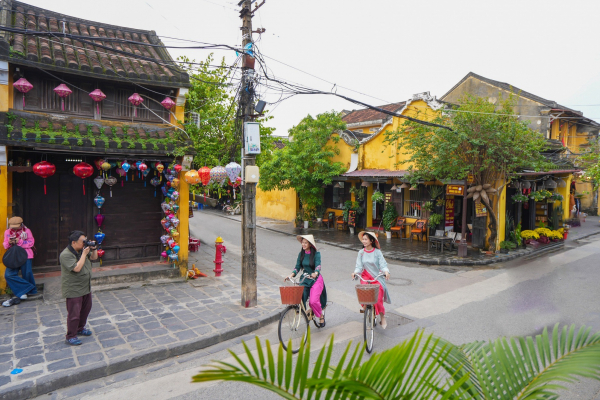
Within the heritage space of Hội An Ancient Town, alongside the recognized architectural complex, layers of intangible cultural heritage continue to persist as a “living memory,” reflecting the historical–social depth and creative capacity of the local community. In recent years, the inventorying, identification, and development of scientific dossiers for intangible cultural heritage have been carried out systematically, contributing to the establishment of an essential database to inform strategies for heritage preservation and promotion in the contemporary context.
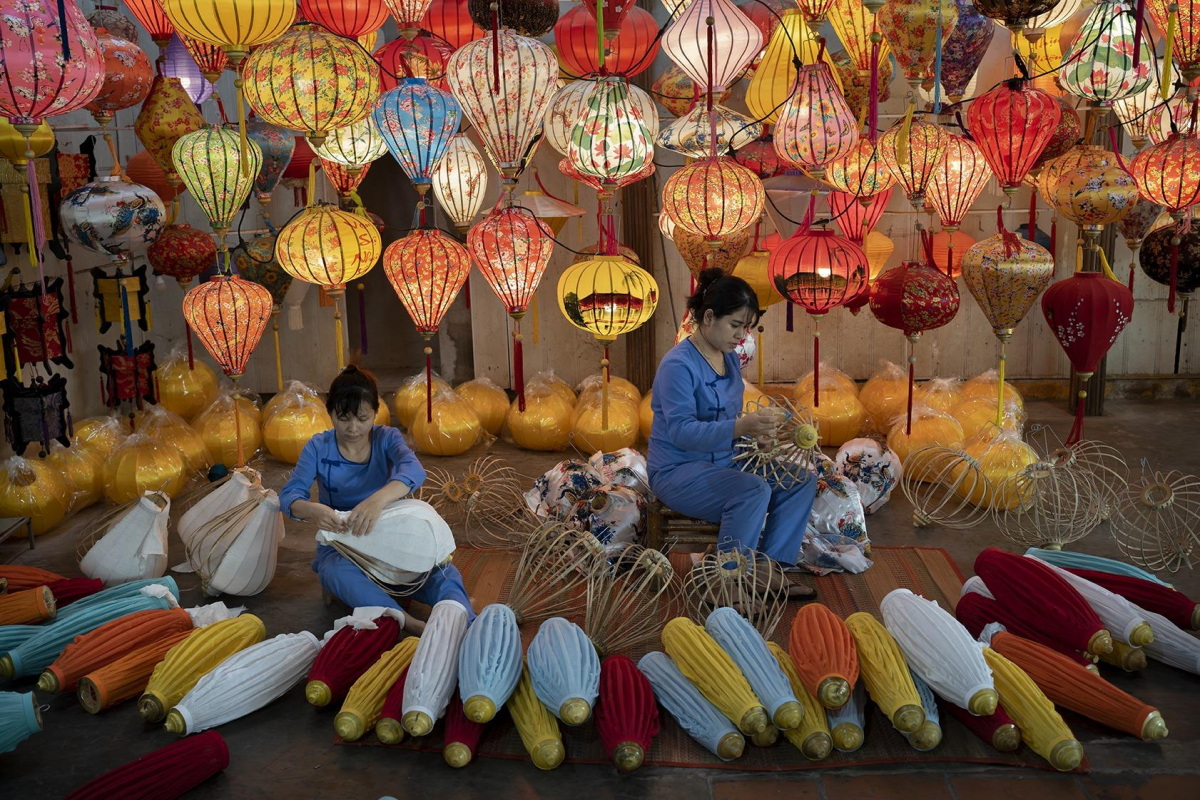
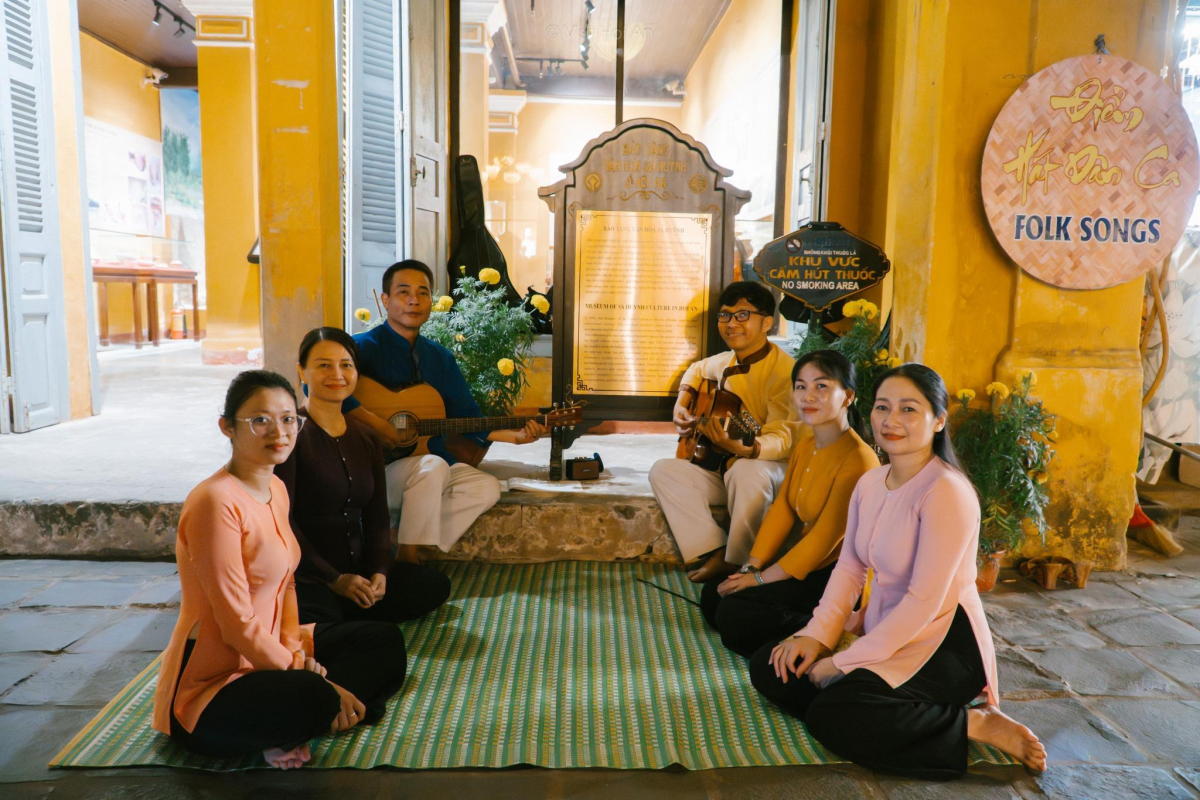
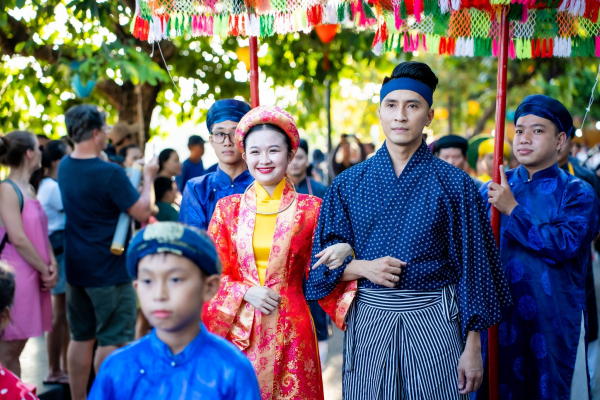
Based on field surveys and investigations, the Hội An Center for the Conservation of World Cultural Heritage has proposed eight outstanding heritage elements for inscription on the National Intangible Cultural Heritage List. At present, many other valuable heritage elements are being further documented and proposed for recognition. Notably, these include folk knowledge related to Cao Lầu and the craft of Hội An lantern-making. In addition, several other cultural practices have been identified as having strong potential for inventorying and inscription on the municipal intangible cultural heritage list of Đà Nẵng, such as kumquat cultivation in Hội An Tây Ward, the Thiên Cẩu dance in Hội An, the Cầu Ngư (Whale Worship) Festival in Cửa Đại (Hội An Đông Ward), the tradition of erecting the Lunar New Year ceremonial pole (cây nêu) in Hội An, and the Đoan Ngọ Festival in Hội An Ancient Town. These practices, held on a regular basis, contribute to the core elements shaping Hội An’s cultural identity across generations. Particularly in the field of folk arts, various forms of cultural expression, from ritual performances and traditional dances to community-based practices, have been approached through interdisciplinary methods, thereby clarifying their structure, social functions, and expressive values within contemporary life.
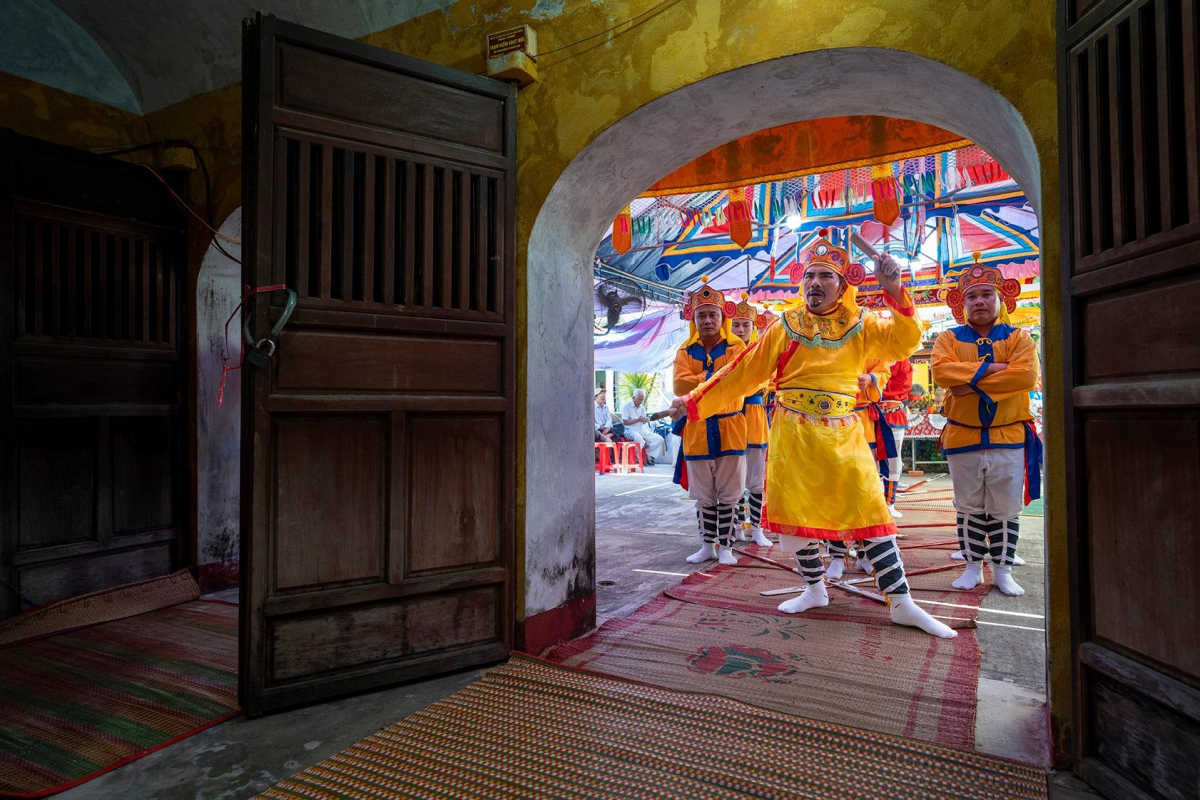
This process of inventorying and identification has helped to systematically reconstruct the diverse landscape of Hội An’s intangible cultural heritage, while reaffirming the role of the community as both creator and transmitter of cultural values. On that basis, the preparation and completion of nomination dossiers is not only of legal significance but also represents an important step in repositioning heritage values in relation to sustainable urban development. It also supports the management, preservation, and promotion of the World Cultural Heritage Site of Hội An Ancient Town in general, and its intangible cultural heritage in particular.
In alignment with the orientation of the UNESCO Creative Cities Network, these efforts demonstrate how Hội An is gradually transforming its intangible heritage, especially in the field of folk arts, into a distinctive creative resource, contributing to the development of endogenous cultural dynamics and reinforcing the identity of Hội An Ancient Town in the process of global integration.