

 VietNam
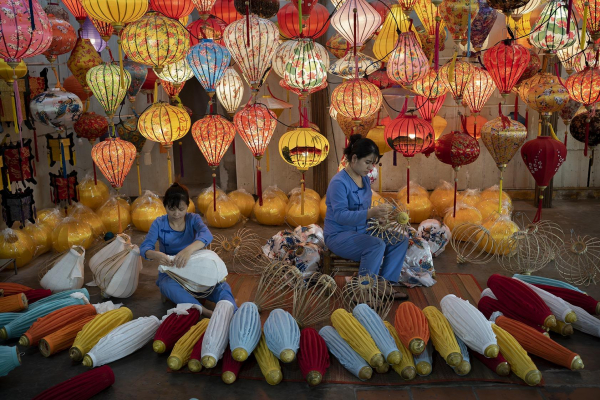
Notably, this model clearly reflects the orientation of heritage promotion in line with the UNESCO Creative Cities Network, in which Hội An is recognized in the field of Crafts and Folk Art. Here, cultural values are no longer “museumized” as fixed memories but are revitalized through living practices, where artisans serve not only as creators but also as transmitters of cultural knowledge through direct engagement with the public. These activities, therefore, not only diversify tourism offerings but also open up a dynamic cultural space in which heritage is continuously adapted, sustained, and disseminated in the context of globalization, while reinforcing the central role of the community in safeguarding and promoting traditional cultural values in a sustainable way.
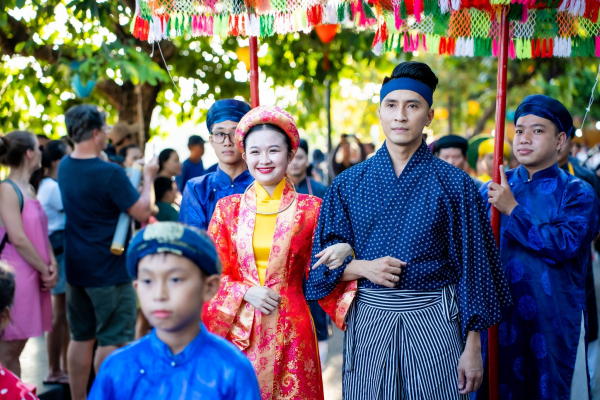
At the heart of these activities is the introduction of woodcarving - one of the region’s long-standing crafts, reflecting the aesthetic sensibility, technical skill, and expressive thinking of Quảng Nam’s people. Live demonstrations by artisans allow visitors to better appreciate the value of manual craftsmanship, while affirming the essential role of humans as creative agents in heritage preservation. Each finished piece is not merely a souvenir but a convergence of local knowledge, cultural memory, and intergenerational continuity. Alongside this, folk art forms such as Bài Chòi, Tuồng (classical opera), the Four Sacred Animals dance, and traditional instrumental performances are staged for visitors, fostering natural interaction between performers and audiences. This approach represents an effective way of safeguarding intangible cultural heritage, helping traditional performing arts avoid the risk of fading due to the loss of their original performance contexts. Re-presenting these cultural practices within a tourism setting does not diminish their authenticity; rather, it contributes to expanding their living space and relevance.
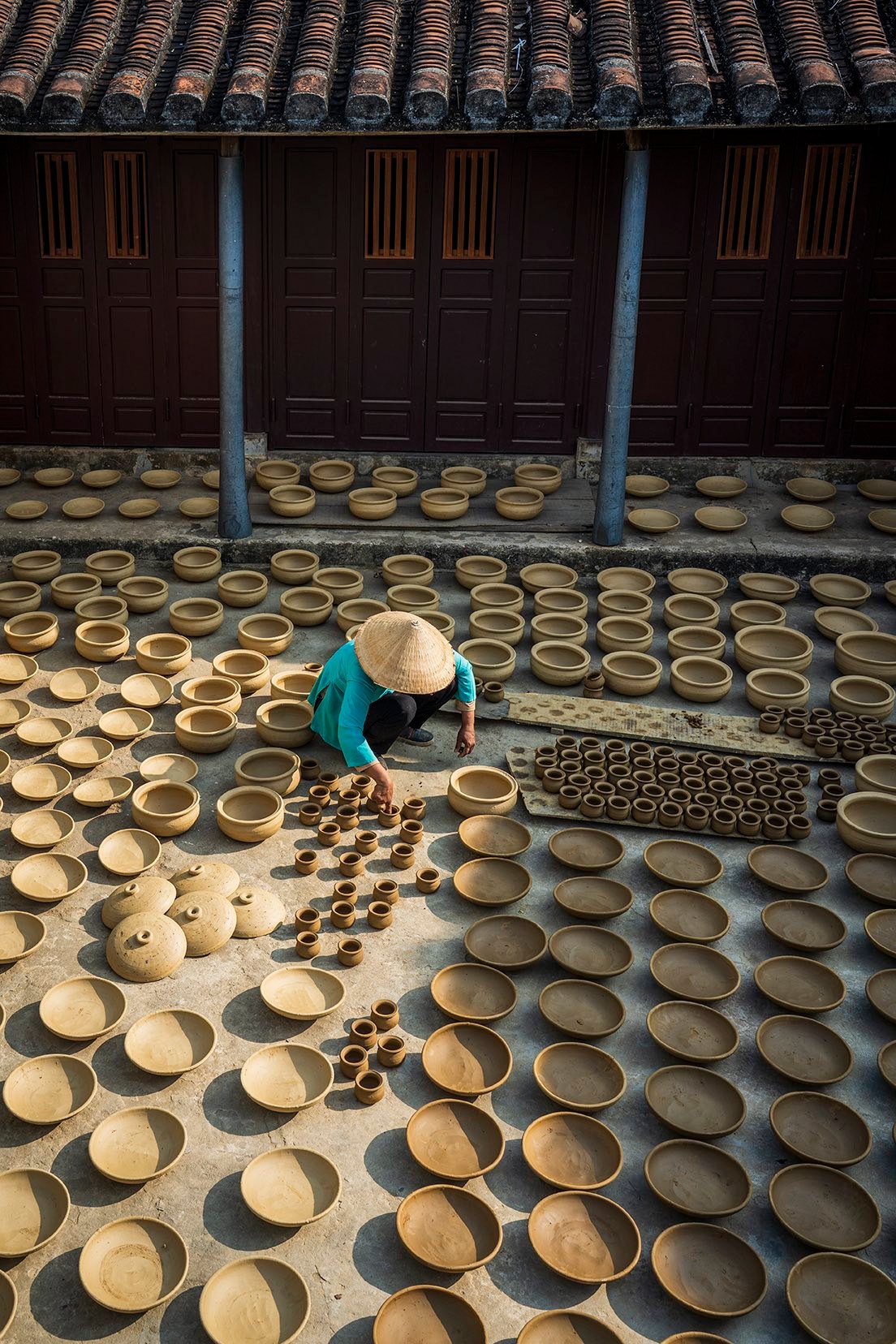
From these initiatives, it is evident that promoting crafts and folk arts goes beyond preservation; it opens new pathways for high-quality cultural tourism development, where visitors not only “see” but truly “understand” and “experience” heritage. In doing so, it helps strengthen local identity in the flow of globalization, while moving toward a model of sustainable cultural tourism that is both intellectually enriching and deeply humanistic.